
Holiday Dynamics and Market Behavior
Holiday periods generate sharp fluctuations in consumer psychology. Demand surges, dwell time extends, and willingness to spend reaches elevated thresholds. These cycles provide an ideal framework for structured event programming. Clear segmentation of visitor groups—families, adolescents, tourists, and local residents—enables more accurate calibration of holiday campaigns. Data from previous seasons often reveals predictable behavior: early enthusiasm, mid-holiday crowd concentration, and a late-cycle fatigue where incentives become increasingly effective.
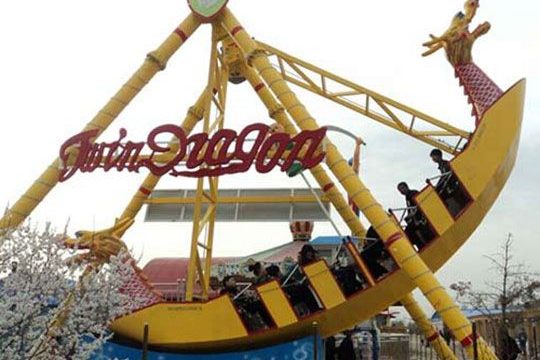
Within this environment, collaboration with amusement park ride manufacturers becomes valuable. Holiday events often require short-term capacity enhancement, temporary structures, or tailored thematic overlays. Aligning program schedules with available equipment configurations helps maintain operational continuity and reduces unnecessary downtime. These tactical alignments strengthen both visitor satisfaction and throughput efficiency.
Constructing Thematic Programming Frameworks
A successful holiday event depends on the narrative coherence of its core theme. Thematic cohesion influences attraction selection, spatial arrangement, stage design, and character activation. Strong holiday concepts—winter illumination, cultural festivities, folklore parades, or seasonal adventure quests—provide the structural backbone of the entire planning cycle.
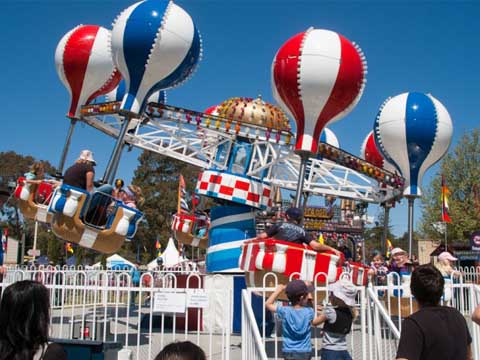
High-visibility installations play a pivotal role. Integrating theme park equipment that matches the seasonal motif elevates the immersive quality of the environment. A well-curated blend of interactive stations, photo-op backdrops, and limited-time attractions reinforces the thematic arc. Small children require gentle engagement zones, while thrill-seekers gravitate toward more intense installations. Holiday programming is most effective when it offers a diversified experience for multiple demographic segments within a single narrative framework.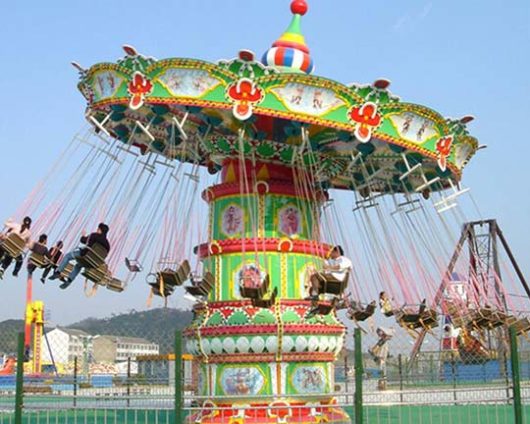
Thrill Attraction Integration for Holiday Peaks
Thrill-based installations deliver a potent amplification effect during high-traffic periods. They elevate crowd excitement, extend dwell time, and stimulate secondary spending. Seasonal campaigns benefit significantly from showcasing a signature attraction. A roller coaster, for instance, functions as an anchor that stabilizes visitor flow across the entire operational day. High-capacity coasters also mitigate bottlenecks by absorbing peak-hour crowds.
Parallel to this, supporting attractions with distinctive motion signatures can be temporarily highlighted. A pendulum ride amusement park installation, illuminated or re-themed for the holiday period, can become a visual centerpiece that drives visitor dispersion toward peripheral zones. The integrated use of lighting, seasonal audio design, and augmented environmental effects increases perceptual intensity without altering the machine’s fundamental engineering.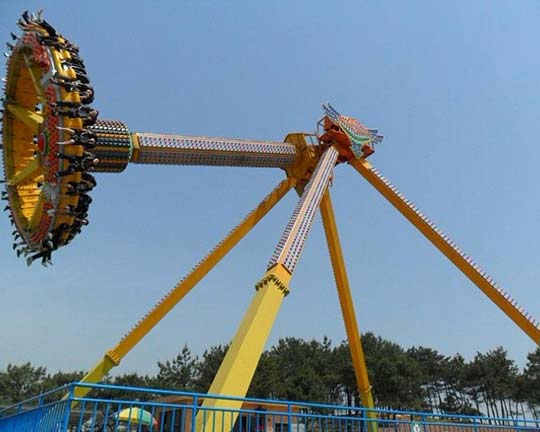
Experience Design and On-site Behavioral Strategies
Holiday visitors exhibit nonlinear movement patterns. Families tend to migrate toward shared participation zones, while adolescents pursue thrill circuits. Efficient holiday planning must incorporate behavioral engineering: the intentional design of pathways, queue systems, and sensory cues that modulate visitor distribution.
Programming should be divided into three operational layers:
A. Core Experience Layer
High-impact shows, holiday parades, and thematic spectacles occupy central plazas and primary routes. Their function is to anchor the day’s emotional crescendo.
B. Distributed Experience Layer
Side-route activities—craft stations, micro-performances, interactive props—encourage lateral movement, reducing congestion. These micro-experiences increase perceived content density.
C. Functional Experience Layer
Dining, retail, and rest zones must be strategically patterned around major attraction routes. Location intelligence is critical: placing F&B nodes near thrill attractions leverages heightened adrenaline to stimulate impulse purchases.
Well-integrated crowd modeling tools help planners anticipate flow patterns and optimize operational readiness. Subtle environmental changes, such as dynamic lighting gradients or directional sound cues, guide guests toward underutilized areas, balancing spatial occupancy.
Marketing Architecture for Holiday Campaigns
Holiday marketing benefits from a hybrid communication strategy. Traditional broadcast channels generate broad awareness, while digital micro-targeting captures segmented interest groups with precision.
A. Pre-Holiday Warm-Up
Early-phase campaigns leverage curiosity. Teasers, countdowns, and behind-the-scenes installation footage create anticipation. Social media amplification via short-form video demonstrates transformation—decor builds, lighting tests, costume previews.
B. Mid-Campaign Conversion Push
As holidays approach, messaging shifts toward clear value propositions: limited-time shows, seasonal bundles, family packages, and early-access benefits. Retargeting tools reconvert previously engaged users.
C. On-Site Amplification
Encouraging guests to generate shareable content increases organic reach. Well-designed visual nodes—illuminated tunnels, themed staging, character meet-ins—serve as social catalysts.
D. Post-Holiday Retention
After the event concludes, curated recaps help maintain engagement. Visitors who interacted with previous campaigns can be re-segmented for future promotions, improving long-term loyalty and seasonal predictability.
Price Strategy and Revenue Optimization
Holiday campaigns yield optimal performance through diversified pricing models. Tiered structures—standard, express access, bundled dining, and premium seasonal passes—enable guests to self-select based on budget and desired experience depth.
Surge pricing is effective when applied judiciously. Early-bird discounts, off-peak incentives, and dynamic ticketing prevent system overload. Equally important is structured capacity control. Overcrowded environments reduce guest satisfaction, weaken spending motivation, and diminish the perceived exclusivity of holiday programming.
Retail synchronization is also crucial. Seasonal merchandise, limited-edition collectibles, and thematic souvenirs consistently outperform generic offerings. Dining menus should incorporate seasonal elements that capture sensory nostalgia—warm beverages, festive desserts, or culturally specific holiday cuisine.
Operational Precision and Quality Assurance
Holiday attendance peaks amplify operational risk. Service failures, excessive wait times, or technical malfunctions have greater perceptual impact. A successful holiday operation must rely on systemized quality assurance protocols:
-
Predictive maintenance schedules adjusted for high-load periods
-
Staffing patterns increased for queue management and guest assistance
-
Real-time monitoring of crowd density and ride availability
-
Rapid-response communication channels for on-site problem resolution
-
Daily debrief cycles to correct micro-issues immediately
Lighting, audio quality, sanitation cycles, and safety signage must be maintained at stricter intervals. With intensified guest expectations, operational reliability becomes a primary determinant of overall satisfaction.
Measuring Success and Long-Term Value
Post-event evaluation is indispensable. Quantitative metrics—attendance, revenue per capita, satisfaction scores, and social media reach—create a holistic performance profile. Heatmap analytics and movement tracking highlight which installations succeeded in driving engagement and which zones suffered from bottlenecks.
Holiday programming is not an isolated event. It contributes to brand positioning, visitor loyalty, and future revenue cycles. A well-executed holiday campaign functions as a long-term asset that enhances perception of value, elevates competitive advantage, and establishes a predictable annual rhythm for future events.