Selecting a roller coaster for your park is one of the most important decisions you can make as an operator, and the foundation of that decision starts with research. Understanding the wide range of coaster types helps you match the right attraction to your space, visitor demographics, and long-term business goals. With today’s theme parks becoming more competitive than ever, knowing the distinctions between coaster categories ensures you invest not only in excitement but also in reliability, maintenance efficiency, and strong return on investment. This guide explores the major roller coaster (купить американские горки) types and how each can shape the character and profitability of a park.
Examining the Evolution of Modern Roller Coaster Designs
Roller coaster engineering has evolved dramatically in recent years. Where parks once relied on a limited number of designs, today they can choose from dozens of highly specialized categories. Manufacturers now incorporate cutting-edge materials, computer-aided track shaping, and advanced safety systems to produce attractions with smoother rides, higher speeds, and dynamic motion patterns. Whether you are considering a traditional wooden layout or a futuristic steel creation, understanding these differences is essential before committing to a major investment.
Comparing Classic Wooden Coasters and Steel Innovations
Wooden coasters represent the nostalgic heart of amusement rides (китай аттракционы). Known for their iconic rattling track sound and dramatic out-of-seat airtime moments, they appeal to older guests who appreciate the classic amusement park feeling. Wooden structures create bright, open visuals that enhance a park’s skyline and draw in guests from a distance.
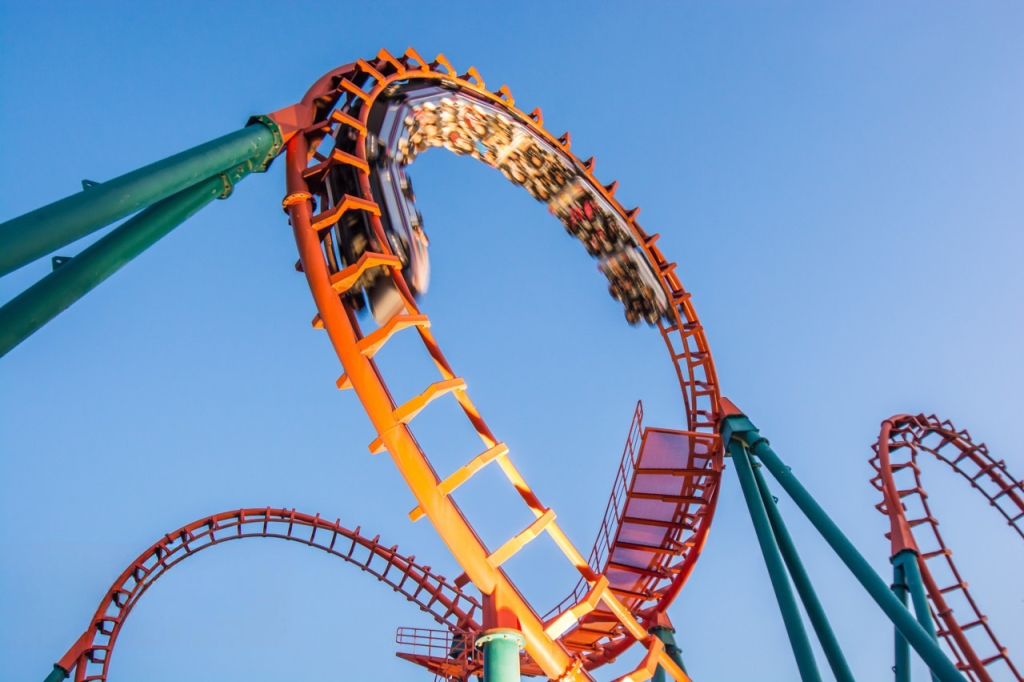
However, steel roller coasters have become the industry’s dominant force. Their smoothness, ability to include inversions, and impressive durability make them top choices for modern parks. Steel systems can accommodate complex layouts including spirals, corkscrews, and multi-level vertical elements that wooden structures cannot replicate. As you research coaster models, evaluate whether your park’s personality leans toward classic thrills or modern intensity.
Understanding Family-Friendly Coaster Options
Many parks rely heavily on attractions suited for groups of all ages. Family coasters offer mild speeds, gentle curves, and lower height requirements, making them ideal for parents and children to enjoy together. These coasters often become a park’s most dependable year-round revenue generator due to their broad appeal.
The popular dragon roller coaster (аттракцион дракон) is a perfect example of a family-friendly layout. With playful theming, smooth ride paths, and compact footprints, it easily fits into parks, shopping centers, indoor play facilities, and seasonal carnivals. Investing in such a coaster broadens your demographic reach and builds trust with families looking for safe, enjoyable adventures.
Evaluating Extreme Thrill Coasters for High-Impact Appeal
On the opposite end of the spectrum are extreme thrill coasters, which cater to adrenaline seekers. These rides commonly feature sharp vertical drops, high speeds, and multiple inversions. They serve as headline attractions, helping parks build a reputation as premier destinations for high-intensity experiences.
Research in this category should focus on ride capacity, durability under heavy usage, and long-term maintenance requirements. Thrill coasters demand larger budgets and higher staffing levels, but the payoff can be significant when marketed effectively.
Considering Compact and Portable Coaster Styles
For parks with limited space or seasonal operations, compact and portable roller coasters provide excellent flexibility. These models often feature single-train systems, tight-turning track layouts, and simplified foundations. Portable coasters are widely used in traveling fairs and temporary amusement setups, allowing operators to install and dismantle them quickly.
These coasters are particularly popular among operators who manage a variety of amusement rides (аттракцион) rather than large fixed-site attractions. They also serve as low-risk options for parks testing whether a roller coaster will perform well before investing in a permanent installation.
The Increasing Popularity of Themed and Immersive Coasters
Today’s coaster buyers place increasing emphasis on theming. Beyond the physical track, immersive environments elevate the ride from a simple attraction to a storytelling experience. Themed coasters integrate decorative elements, LED lighting, animatronics, sound effects, and interactive queues to create a fully cohesive guest experience.
Themed systems strengthen your park’s brand identity and encourage social media sharing, helping expand visibility at no additional marketing cost. When researching coaster types, always evaluate the manufacturer’s experience with custom decoration and ride theming.
Matching Each Coaster Type to Your Park’s Guest Demographics
One of the most critical research topics is identifying which coaster types resonate most strongly with your audience. A park dominated by families with young children needs approachable, lower-speed coasters. A destination park seeking global recognition may prioritize high-thrill designs. Urban and indoor parks may favor compact models, while outdoor regional parks benefit from signature attractions that transform skylines.
Evaluating visitor data, surveying guests, and studying competitor attractions all provide valuable insights into which type will perform best. A well-researched decision ensures the coaster becomes a reliable anchor attraction for years to come.
Final Thoughts: Why Thorough Research Leads to Better Results
Every roller coaster type comes with distinct advantages, challenges, and ideal use cases. By studying the differences between wooden, steel, family, thrill, compact, and themed coasters, you position your park for long-term success. Research reduces operational risk, improves guest satisfaction, and ensures your investment aligns with both your brand identity and revenue goals. With the right knowledge, you can confidently select an attraction that complements your lineup of amusement rides and enhances the excitement of your entire park.